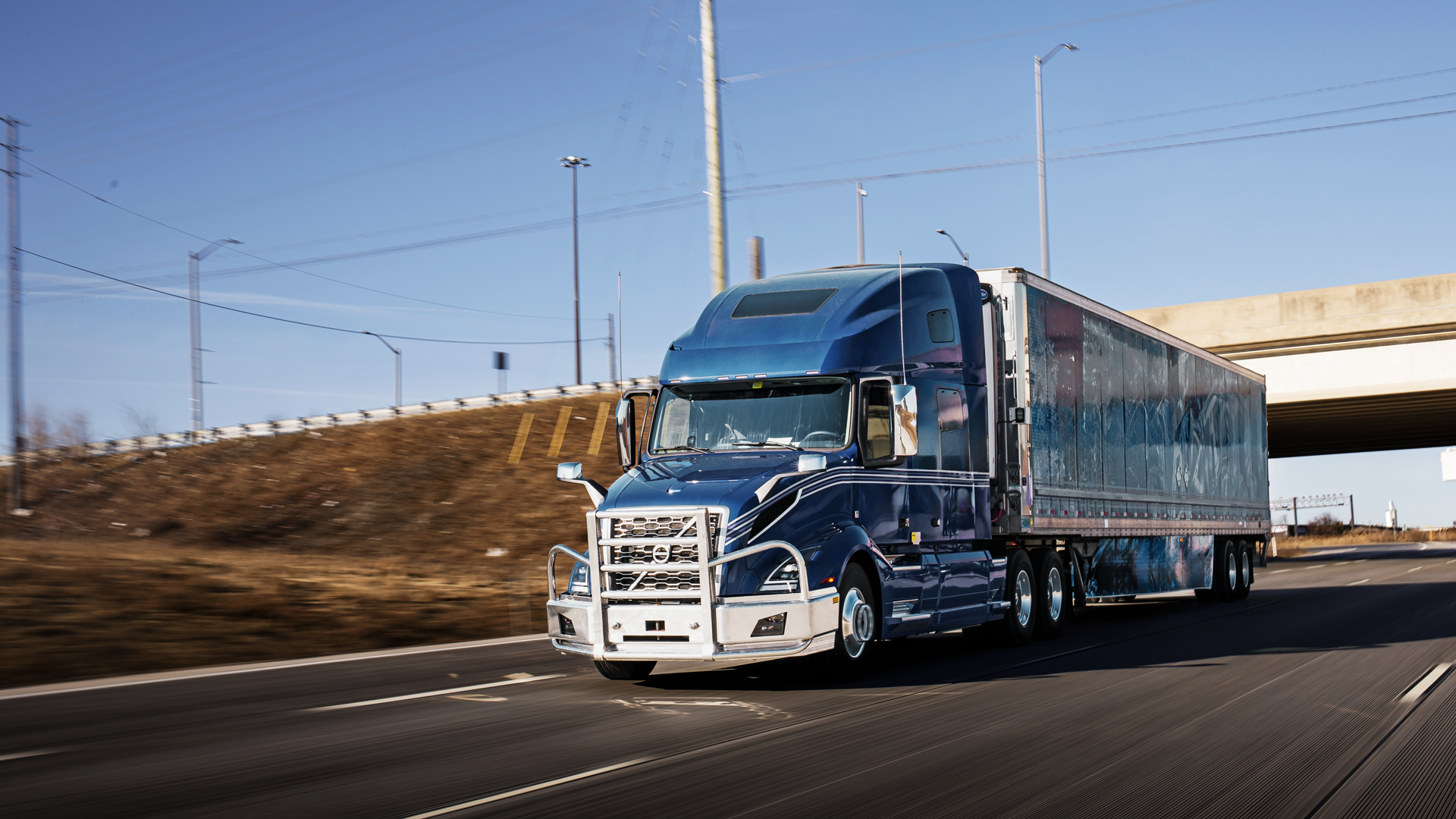
GM Trucks Are The Everyday Workhorse Because They Need To Be
What this blog will discuss:
GM trucks have a reputation, and it has been well earned. They’re the trucks you can take to the jobsite but also tow cross-country for leisure, all while taking hit after hit from any terrain you drive on.
This blog will discuss what GM truck owners experience, what to expect when faced with a rock hit or chip, and how windshield protection film can provide an added barrier, no matter the job at hand.
Why are highway and jobsite miles harder on truck windshields?
It really comes down to exposure. Speed, debris levels, and other surrounding vehicles are the main three factors. The more time you spend at highway speeds and around vehicles that can throw debris, the more opportunities there are for a rock to reach the windshield.
It's also a common misconception that you can prevent all windshield damage by leaving extra following room. While this is a smart driving practice in general -- no one should be tailgating -- there is no reliable way to avoid rocks and debris from other lanes, oncoming traffic, or even off of overpasses.
What windshield risks do Fleet and Daily Drivers have in common?
While it's well understood that work trucks generally live a harder life than daily drivers, the windshield is exposed to many of the same hazards across the board: loose gravel, road debris, rocks kicked up by other vehicles, and impacts at highway speeds. It doesn't matter what trim you have either. You can drive a Silverado, Sierra, Denali, and High Country either.
When does windshield pitting become more than cosmetic?
Repeated exposure to sand, grit, and small debris can gradually pit the windshield, creating thousands of tiny imperfections across the glass. Over time this changes from a cosmetic issue to a safety issue. Once the windshield pits start to scatter light, they create glare and reduce clarity. Drivers may begin to struggle with visibility in rain, at night, or simply when driving towards the sun.
What causes a small windshield chip to spread into a crack?
First and foremost: there is an element of random luck here, so it is always best practice to have a chip filled if it cannot be prevented in the first place. The size and location of a chip can influence how quickly it spreads, since the windshield's edge is generally subjected to greater stress than the centre. As well, a "star" chip -- one with hairline cracks extending out from the center — is already beginning to spread, so it must be treated with extra urgency.
How does ADAS technology make windshield damage and replacement more complicated?
The main concern with ADAS-equipped vehicles is the need for camera recalibration when the windshield is replaced. This is important since the active safety systems -- ie lane keeping, forward collision avoidance, etc. — rely upon a properly calibrated camera to function. Recalibration adds time and cost to the windshield replacement process; a 2023 AAA study states a typical cost of $360 USD.
Just like how windshield damage compromises visibility for human vision, it does also for machine vision. Heavily pitted glass or a crack in the wrong location will cause loss of ADAS function.
Finally: the windshield is a nexus for other advanced systems that increase complexity and cost. A newer Sierra Denali doesn't just have ADAS integration into its windshield, but also rain-sensing wipers and a heads-up display (HUD). These also increase the cost of windshield replacement or risk loss of functionality if an inferior replacement is used.
What does it really cost to replace a Silverado or Sierra windshield?
Windshield replacement cost varies between about $700 - $1200 USD depending on the truck's equipment and whether or not OEM replacement was used.
For fleet operators, often the cost of business disruption exceeds the cost of windshield replacement. Consider the cost of a rental or the opportunity cost of being without a vehicle for at least one workday, multiplied by every windshield breakage in the fleet.
Where does windshield protection film fit into protecting a Silverado or Sierra?
Historically, a windshield was looked at as a consumable item — no different than tires or brake pads. For many truck owners, due to its relatively low cost and high vulnerability. Vehicles were built to wider tolerances and designed with the expectation that many more items would (not could) need repair or replacement over time.
Times have since changed. Not only is windshield replacement much more involved and expensive now, but the development of WPF means that the original glass and factory seal can be preserved for much longer.
Protecting the Workhorse
GM trucks are built to take on demanding jobs, long highway drives, and everything in between. But the same miles that prove their durability also expose their windshields to rocks, road debris, pitting, and impacts that can quickly become expensive. Especially taking into consideration ADAS recalibration and other integrated technology are involved.
ExoShield windshield protection film adds a sacrificial barrier between the road and the original glass, helping reduce the risk of chips, cracks, and everyday wear. For Silverado and Sierra owners, it’s a practical way to protect visibility, preserve the factory windshield, and keep a dependable truck where it belongs: on the road and ready to work.
Learn More About ExoShield Products
VIEW PRODUCTSLooking for the right installer for your automotive protection film? Click here for a map of certified installers.

Looking for a windshield protection film installer?
Check out our map to find our list of certified windshield protection film installers.
Visit MapFind us on Social Media: