
Now more than ever, commercial fleet managers need variables they can control
Windshield protection film can reduce costs, downtime, and hassle in a world where fuel prices, supply chains, and extreme weather can change on a dime.
Fuel costs shift overnight. Regulations evolve. Staffing shortages ripple through operations. Supply chains tighten unexpectedly. Severe weather reroutes schedules and delays deliveries.
In recent years, many of those variables have become increasingly difficult to predict. The pandemic exposed vulnerabilities in global supply chains. Geopolitical instability continues to influence operating costs—especially fuel costs. Insurance, maintenance, and repair expenses continue to climb across the transportation sector.
For fleet operators, the challenge is rarely one catastrophic event. More often, it’s the accumulation of smaller changes that collide and overlap, determining uptime, predictability, and operational efficiency.
Think of a juggler in a nice rhythm only to be tossed a ball marked ‘war in the Middle East,’ that ball collides with the ball marked ‘inflation’, while someone else snatches a reliable ball out of the air called ‘regulation.’
The job of fleet manager not only takes lots of balls, it’s about making them as predictable as possible.
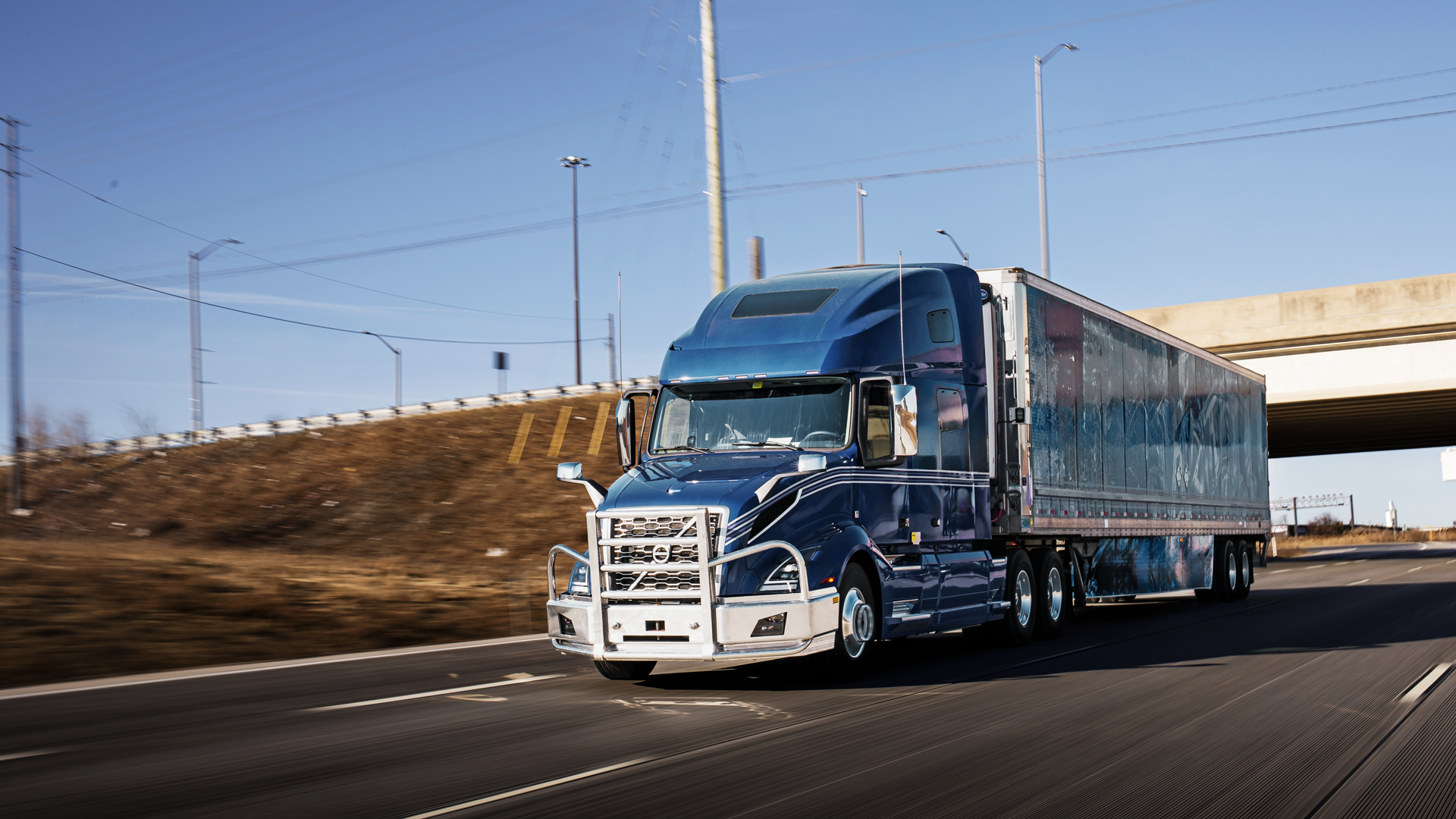
That’s why windshield damage is beginning to receive more attention in commercial vehicle conversations. Windshield failures can create a disproportionate amount of operational disruption when vehicles are expected to be working optimally, at the right time, in the right place.
For most recreational drivers, a cracked windshield is inconvenient. There are usually alternatives available: public transit, rentals, carpooling, or simply another family vehicle. Commercial operations often don’t have the same luxury.
A specialized truck, service vehicle, or route-dependent unit being pulled from operation can impact scheduling, compliance, deliveries, staffing, and customer commitments all at once.
From an industry perspective, that broader operational pressure is one reason why your fleets should have windshield protection film.
Every fleet is different, and every job is different, but after years of working in high-impact automotive environments—including off-road, rally, and enthusiast applications— we’ve seen similar concerns emerge in conversations with commercial operators.
Windshield replacement is getting more complex
One of the recurring themes emerging in those conversations is cost.
Modern windshield replacement isn’t just about replacing glass. Advanced Driver Assistance Systems (ADAS), heated windshields, acoustic glass, and heads-up displays have significantly increased the complexity of modern windshield systems.
"A common misconception is that Windshield Protection Film doesn't work with certain features or technologies, think of heated glass or heads-up displays for example,” says Andy Hayes, Product Manager, Automotive GTM for ExoShield
“Not only is ExoShield fully compatible with these features, but they often create the need for windshield protection. Each added component increases the cost and complexity of replacement.”
For Hayes ADAS recalibration costs are the latest variable complicating keeping a fleet on the road. Recalibration is required after every windshield replacement and averages roughly $360 USD. Heads-up display compatible windshields can also cost significantly more than standard replacement glass.
“Typical windshield replacement costs now exceed $1000 USD, even on many modestly-equipped work vehicles,” Hayes says.
For commercial operators running high-mileage routes, those costs can become difficult to ignore—especially when paired with downtime and scheduling disruptions.
Even if a fleet is made up of regular commuter vehicles (sedans, pick-up trucks etc…), the operating conditions are rarely “normal.” Long highway hours, dense traffic, construction zones, and constant daily mileage all increase exposure to road debris and windshield impacts.
For heavier commercial vehicles and specialized equipment, those conditions often become even harsher—gravel routes, active job sites, and continuous road wear create a level of exposure most consumer vehicles simply don’t experience.

But according to Hayes, there’s still significant confusion around what windshield protection film for transport trucks actually is. For decades, paint protection film has been a popular preventive measure. Windshield protection film may seem like a natural extension, but that can be an unhelpful simplification.
“Windshields and paint serve very different purposes, face different challenges, and consequently require distinct protection products,” he says. “Windshield protection film has much stricter requirements for clarity and lack of distortion since it's looked through, not at.”
Unlike painted surfaces, windshields also face constant abrasion from wiper blades and road debris, creating very different durability requirements.
“When a rock hits unprotected glass, the force is concentrated into a tiny point on the outer glass surface,” Hayes says.
“Because glass is inherently hard and brittle, it usually cannot absorb this impact; instead, it creates a chip or crack.”
Once the surface is compromised, normal driving vibration, temperature changes, and continued stress can cause the damage to spread quickly across the windshield.
“With ExoShield windshield protection film, the film is the first thing the rock contacts,” Hayes says.
“Instead of the full impact going straight into the glass, the film helps spread, absorb, and slow down the impact energy.”
According to ExoShield's internal testing, the film reduces the likelihood of windshield damage by six times compared to unprotected glass.
For fleets evaluating preventative solutions, the appeal appears less connected to making windshields indestructible and more connected to reducing the frequency of avoidable replacement events.
Commercial Adoption Still Appears To Be Evolving
As the windshield protection film industry evolves it’s becoming more clear that commercial fleet windshield protection film adoption looks very different from retail or enthusiast adoption.
“Most fleets will look for a solution that fits into their existing operations as smoothly as possible,” said Paul Lucier, VP Sales and Business Development with Exoshield.
According to Lucier, organizations with internal install capabilities often prioritize repeatable processes, predictable installation times, and training support. Fleets relying on outside installers tend to focus more heavily on minimal operational disruption and long-term durability.
“In both cases, fleets are ultimately looking for something durable and scalable that helps reduce downtime and replacement costs without creating additional operational headaches,” he says.

That focus on consistency appears to become even more important at scale.
“Consistency is one of the biggest factors when scaling across a fleet environment,” Lucier says.
“If installation times and processes vary too much, it becomes difficult for fleets to schedule bay time, manage vehicle availability, and control costs.”
Commercial applications also place different demands on product durability than typical consumer use.
“Fleet vehicles are used heavily, often in rough conditions and across long distances, so product quality and durability matter a lot,” Lucier said. “A film that performs well in a retail environment may not necessarily hold up in a high-mileage commercial application.”
Pilot Programs to Build Confidence
As fleets across the world gradually embrace new, more affordable, and more customizable measures to control variables, a slow and steady approach is the current trend for keeping your fleet vehicles on the road longer.

Rather than immediately deploying across entire fleets, many organizations appear more interested in evaluating performance through pilot programs first.
Lucier believes that approach makes sense for windshield protection film for your companies vehicles.
“One of the biggest mistakes is prioritizing ease of installation over long-term performance,” he says.
“Some products may install quickly but simply don’t hold up under the daily wear commercial vehicles experience.”
Instead, pilot programs allow operators to evaluate performance under real operating conditions while refining installation and support processes before scaling further.
“Good communication, hands-on support, and quick problem-solving go a long way toward building confidence and ensuring long-term success,” Lucier adds.
A Potential Solution At the Right Time
It would be foolish to pretend to know what the future holds for large vehicle fleets. There are some possible changes on the horizon that will add more balls to the juggling act. Autonomous vehicles, improved nanotechnologies, shifts in the economy, and alternative fuels are all in the field of view of the juggler.
They may be fuzzy and out of focus now, but they’re coming. That’s why now is the time to begin thinking about controlling what can be controlled. Fleet vehicle windshield protection film can help, because dropping the ball is not an option in an increasingly chaotic world.
Learn More About ExoShield Products
VIEW PRODUCTSLooking for the right installer for your automotive protection film? Click here for a map of certified installers.

Looking for a windshield protection film installer?
Check out our map to find our list of certified windshield protection film installers.
Visit MapFind us on Social Media:


